Source anti rust anti uv gutter brush for eaves, roofs, and overhangs
Find 30 listings for the anti rust anti uv gutter brush designed for cleaning eaves, roofs, and overhangs. Buyers can compare specifications, materials, and prices from verified suppliers to select the right cleaning tool for their needs.
Key considerations
Products List





Comprehensive Sourcing Guide
Strategic Sourcing Guide for Anti-Rust and UV-Resistant Gutter Brushes
Understanding Product Specifications and Material Composition
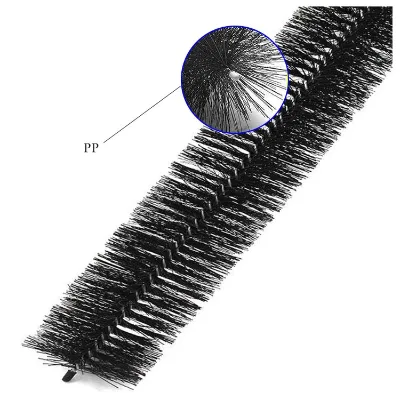
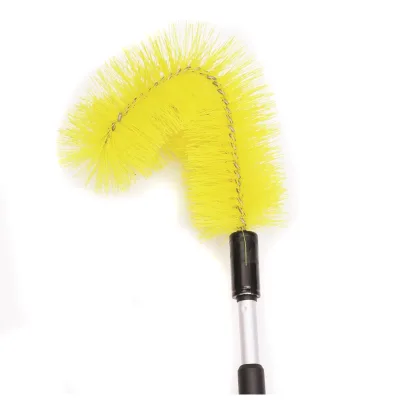
When sourcing gutter brushes designed for long-term outdoor durability, the primary focus must be on the material composition that directly influences resistance to environmental degradation. The core requirement for an "anti-rust" and "anti-UV" brush dictates specific selection criteria for the handle and bristle materials. Based on observed market data, the bristle composition is frequently listed as Nylon or a combination of Nylon and Polypropylene (PP). Nylon is a critical component for the cleaning action, offering the necessary flexibility to navigate roof tiles and eaves without causing damage, while PP provides structural integrity to the bristle bundle.
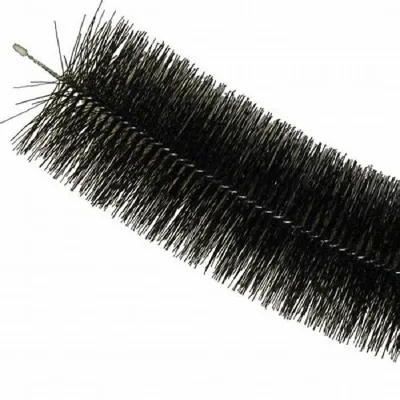
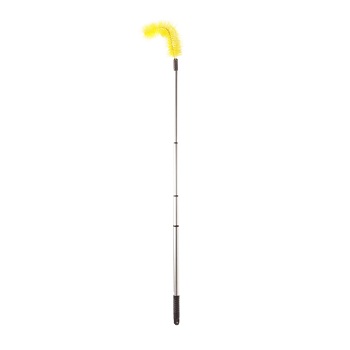
The handle material presents a more significant challenge regarding the "anti-rust" specification. Observed listings indicate a variety of handle constructions, including galvanized iron wire, plastic, and stainless steel. For a buyer specifically requiring anti-rust properties, galvanized iron wire offers a baseline level of protection against corrosion, but stainless steel is the superior choice for environments with high humidity or salt exposure. Plastic handles provide a non-conductive, rust-proof alternative, though their structural strength must be verified against the torque required for cleaning heavy debris. The diameter of the brush head, observed in the range of 90mm to 200mm, and the length, ranging from 30mm to 300mm, are critical specifications that determine the brush's ability to fit various gutter profiles. Buyers must verify that the selected model number, such as those identified as "roof 25" or "Gutter-25," aligns with the specific dimensions of their infrastructure.
| Component | Observed Material Options | Anti-Rust/Anti-UV Relevance |
|---|---|---|
| Bristles | Nylon, Nylon/PP Blend | High UV resistance; Nylon is durable against abrasion. |
| Handle | Galvanized Iron Wire, Plastic, Stainless Steel | Stainless Steel and Plastic are inherently rust-proof; Galvanized wire requires coating integrity checks. |
| Core/Structure | PP (Polypropylene) | Excellent resistance to UV degradation and chemical corrosion. |
| Packing | Carton Boxes | Standard protection; requires verification for moisture resistance during transit. |
Compliance Verification and Certification Standards
In the B2B procurement of outdoor cleaning tools, compliance is not merely a formality but a safeguard against premature product failure. While specific certification names were not explicitly detailed in the provided product data, the presence of "Eco-Friendly" features and "Customized" branding suggests that suppliers are operating within frameworks that address environmental and safety standards. Buyers must actively verify that the materials used, particularly the Nylon and PP plastics, comply with relevant international safety standards for outdoor use. The "anti-UV" claim requires evidence that the polymers have been treated with UV stabilizers to prevent brittleness and fading over time.
The "anti-rust" attribute is a functional requirement that must be backed by material science. If a supplier specifies galvanized iron wire, the buyer should request documentation regarding the galvanization process, such as the thickness of the zinc coating, which is the primary defense against oxidation. For stainless steel handles, the grade of the steel (e.g., 304 or 316) should be confirmed, as lower grades may still corrode in harsh coastal environments. Furthermore, the "Customized" nature of the product implies that the supplier can adapt the brush to meet specific regional standards, but the buyer must ensure that any custom modifications do not compromise the original material integrity. The origin of the product, noted as China, specifically Anhui, indicates a manufacturing hub with established supply chains, yet it necessitates rigorous quality assurance to ensure that the "New" condition of the product is maintained from the factory floor to the point of use.
Cost Drivers and Economic Factors in Procurement
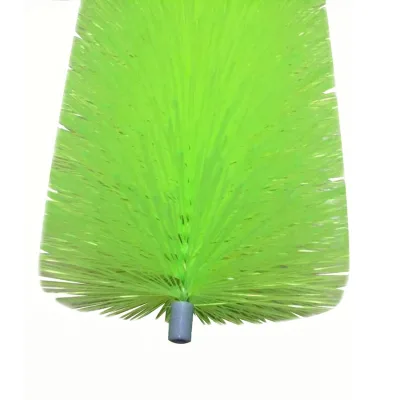
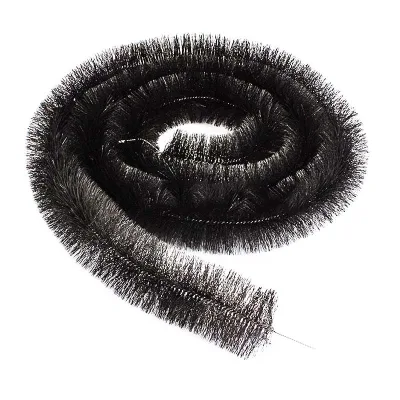
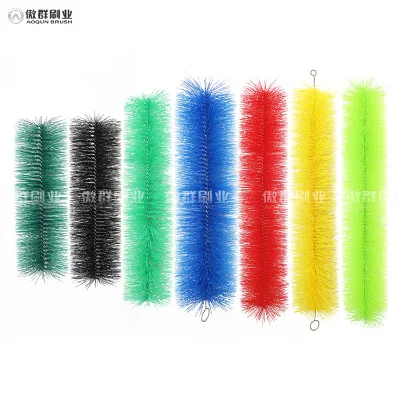
The cost of sourcing gutter brushes is influenced by a complex interplay of material costs, customization requirements, and logistical parameters. The observed price range in the market spans from $0.25 to $11,000, a variance that reflects the difference between single-unit purchases and bulk industrial orders. This wide range underscores the importance of understanding the cost drivers. The primary driver is the material selection; brushes with stainless steel handles and high-grade UV-stabilized nylon will command a higher unit price compared to those with galvanized wire or standard plastic components. Additionally, the "Customized" aspect introduces variable costs. If a buyer requires specific branding, such as the "CAR BOY" logo or custom colors like "Light green" or "Black," the setup costs for molds and printing will increase the per-unit price, especially at lower volumes.
Minimum Order Quantity (MOQ) is another significant economic factor. The data shows an MOQ range from 1 to 3,000 units, with specific listings citing 500, 100, or 100 pieces. A buyer seeking to minimize upfront capital expenditure might opt for a lower MOQ, but this often results in a higher unit cost. Conversely, ordering at the higher end of the MOQ spectrum can leverage economies of scale, reducing the cost per unit. The packaging method, listed as "Carton Boxes" or "as your request," also impacts cost. Custom packaging solutions, while beneficial for branding, add to the overall expense. Furthermore, the "Selling Units" being listed as "Single item" suggests that the pricing model is flexible, allowing for mixed orders, but bulk purchasing remains the most efficient strategy for large-scale projects. Buyers must balance the initial investment against the long-term value of a durable, rust-resistant product that reduces replacement frequency.
Typical Applications and Performance Expectations
The functional application of gutter brushes is diverse, ranging from residential maintenance to large-scale commercial infrastructure management. The product data explicitly lists uses for "eaves, roof, overhang, rafts," indicating that these tools are designed for vertical and horizontal cleaning tasks where access is difficult. The "Roller" style and "Round" shape are optimized for navigating the curved profiles of gutters, ensuring that debris such as leaves, dust, and sediment is effectively removed without damaging the gutter lining. The "Cleaning" and "Removing Dust" functions highlight the primary utility of the product, but the "Anti-Rust" and "Anti-UV" specifications are crucial for applications in harsh climates.
In coastal regions or areas with high industrial pollution, the "anti-rust" feature is not optional but essential. A standard iron handle would corrode rapidly, rendering the tool unusable and potentially contaminating the gutter system with rust particles. Similarly, in regions with intense sunlight, the "anti-UV" capability of the bristles and handle ensures that the brush retains its structural integrity and cleaning efficiency over years of use. The "Eco-Friendly" attribute suggests that these brushes are designed to minimize environmental impact, possibly through the use of recyclable materials or manufacturing processes that reduce waste. The "Stocked" status of some listings indicates that these products are readily available for immediate deployment, which is vital for emergency cleaning operations or scheduled maintenance programs. Buyers should match the specific model number, such as "roof 25" or "Gutter-25," to the specific dimensions of their gutters to ensure optimal performance.
Supplier Evaluation and Quality Assurance Protocols
Evaluating a supplier for gutter brushes requires a multi-faceted approach that goes beyond simple price comparison. The "Customized" and "OEM" support capabilities listed in the data indicate that suppliers are capable of adapting products to specific client needs, but this flexibility must be managed through rigorous quality control. Buyers should prioritize suppliers who demonstrate a clear understanding of the "anti-rust" and "anti-UV" requirements. This involves requesting material safety data sheets (MSDS) and verifying the specific grades of materials used in the handle and bristles. The "place of origin" being Anhui, China, suggests a concentration of manufacturing expertise, but buyers must verify that the specific factory adheres to international quality standards.
Quality assurance protocols should include visual inspections of the bristle density, the uniformity of the coating on galvanized handles, and the structural integrity of the plastic components. The "Single gross weight" of 0.300 kg to 0.500 kg provides a benchmark for consistency; significant deviations from this range could indicate quality issues or the use of inferior materials. Buyers should also assess the supplier's ability to maintain the "New" condition of the product throughout the supply chain. This includes evaluating their packaging methods, which are listed as "Carton Boxes" or customizable, to ensure that the brushes are protected from moisture and physical damage during transit. The "OEM: Support" and "Logo: Accept Customized" features suggest that the supplier is willing to collaborate, but the buyer must establish clear communication channels to ensure that custom specifications are met without compromising the core functionality of the brush.
Long-Term Procurement and Supply Chain Considerations
Sourcing gutter brushes is not a one-time transaction but a strategic decision that impacts long-term operational efficiency. The "Delivery Time" of 20-45 days, as observed in the data, is a critical factor for supply chain planning. Buyers must account for this lead time when scheduling maintenance projects or restocking inventory. The "Customization" aspect, while beneficial, can extend lead times if complex branding or material changes are required. Therefore, buyers should plan their orders well in advance to avoid delays. The "MOQ" of 100 to 500 pieces allows for flexibility, but buyers should consider the total cost of ownership, including storage and handling, when determining order quantities.
Long-term procurement also involves monitoring the performance of the brushes in the field. The "Anti-Rust" and "Anti-UV" claims must be validated through real-world testing. Buyers should establish a feedback loop with their maintenance teams to report any signs of corrosion or UV degradation. This data can be used to refine future purchasing decisions, ensuring that the selected suppliers consistently deliver high-quality products. The "Eco-Friendly" feature adds a layer of corporate social responsibility to the procurement process, aligning with broader sustainability goals. By selecting suppliers who prioritize environmental standards and offer customizable solutions, buyers can build a resilient supply chain that adapts to changing market conditions and operational needs. The "Single package size" of 20x10x10 cm or 70x60x60 cm also impacts logistics, and buyers should optimize their shipping strategies to minimize costs and environmental impact.
FAQs
What materials ensure anti-rust and anti-UV performance?
Stainless steel handles and nylon bristles provide the best resistance against rust and UV degradation. Galvanized iron wire offers baseline protection, while plastic handles are inherently rust-proof but require structural verification for heavy torque applications.
Which specifications define the brush dimensions?
The brush diameter ranges from 90mm to 200mm, and the length varies between 30mm and 300mm. Specific models like roof 25 or Gutter-25 align with these dimensions to fit various gutter profiles effectively.
How does the MOQ affect procurement costs?
Minimum Order Quantities range from 100 to 500 pieces, with some listings allowing orders as low as one unit. Lower MOQs often result in higher unit costs, while bulk orders leverage economies of scale to reduce the price per item.
Can suppliers provide customized branding and colors?
Yes, suppliers support OEM services and accept customized logos and colors like light green or black. Customization allows for specific branding but may increase setup costs and extend lead times depending on the complexity of the request.
What is the typical delivery time for orders?
The standard delivery time is between 20 and 45 days from the order date. Buyers should plan their maintenance schedules around this lead time, especially if customization is required, as it may extend the production duration.
Where are these gutter brushes manufactured?
The products originate from China, specifically the Anhui region, which is a known manufacturing hub. This location offers established supply chains but requires rigorous quality assurance to ensure the new condition and material integrity of the brushes.
How are the brushes packaged for shipping?
Standard packaging includes carton boxes, though custom packaging requests are also accepted. The single package size varies, typically around 20x10x10 cm or 70x60x60 cm, ensuring protection against moisture and physical damage during transit.